

Uncategorized
Finding Affordable Rounds Without Sacrificing Performance
Shop Smart for Cheap Ammo Without Sacrificing Quality or Performance
When a shooter burns through hundreds of rounds at a weekend steel match, cheap ammo makes that volume financially sustainable by delivering reliable function at a fraction of premium prices. It typically uses bulk-packed, non-match-grade projectiles and slightly looser tolerances, which still cycle reliably in most stock firearms while sacrificing only marginal accuracy at practical distances. To get the most from it, test a single box first for feeding and extraction, then buy in bulk and reserve it for drills, plinking, and zeroing where tight groups aren’t critical.

Finding Affordable Rounds Without Sacrificing Performance
Finding affordable rounds .32 ACP Ammo for Sale without sacrificing performance means targeting bulk-purchased, full-metal-jacket loads from reputable manufacturers that prioritize consistent powder charges over premium projectiles. Cheap ammo fails when it compromises velocity uniformity or bullet weight integrity, so choose 115-grain or 124-grain 9mm loads with published ballistic data matching your defensive ammo’s point of impact. Test a single box first, shooting from a rest at 15 yards to confirm group sizes stay under three inches. **Q: Can budget steel-case ammo deliver acceptable accuracy?** A: Yes, if the firearm functions reliably and the steel case is lacquered, though you may trade recoil consistency for cost savings. Stick to known value brands—like Winchester White Box or Blazer Brass—and avoid mystery remanufactured lots. Zero your optic with cheap ammo, then verify with one magazine of carry loads; this ensures your training rounds hit where your self-defense rounds do.

What Exactly Makes a Cartridge Budget-Friendly vs. Low-Quality
A budget-friendly cartridge earns its label through consistent performance at a lower price point, not mere scarcity of cost. The difference hinges on manufacturing tolerances: cheap ammo that’s worth buying uses reliable brass, uniform powder charges, and sealed primers, ensuring dependable ignition and acceptable accuracy. Low-quality rounds cut corners—think thin cases, erratic velocities, or corrosive primers—which lead to malfunctions and barrel wear. A genuine bargain delivers reliable cycling in your firearm and tight enough groups for practice, while sacrificing nothing critical. Cost-per-round matters only if the round actually functions flawlessly every time.
- Budget-friendly ammo maintains consistent bullet seating depth; low-quality rounds often show visible length variance.
- Good cheap loads use boxer-primed, reloadable brass; poor ones use berdan primers or flimsy casings.
- Affordable cartridges produce uniform muzzle velocities within 20–30 fps; weak loads spread by 100+ fps.
How to Spot the Difference Between Marked-Down and Overpriced Stock
To spot the difference between marked-down and overpriced stock, calculate the cost per round instead of glancing at the shelf price. A genuine deal drops below the historical average for that specific load, so compare current pricing against a baseline you’ve tracked over months, not against inflated MSRP. Overpriced stock often hides behind a small discount off a jacked-up tag, while a true markdown shows a steep, unusual drop from the normal street price. Verify by .32 Win Special Ammo for Sale checking two or three competing retailers; if only one price is low while others hover higher, it’s likely a real clearance. When the per-round cost falls 15–20% below typical market rates, you’ve found genuine ammo value, not a marketing illusion.
Why Bulk Buying Often Unlocks the Lowest Price Per Round
Bulk buying lowers the per-round cost primarily because manufacturers and retailers price in economies of scale. Shipping, packaging, and handling are fixed per order, so spreading those costs across 500 or 1,000 rounds shrinks the price per unit. Retailers also pass on volume discounts since a single large sale reduces their warehousing and restocking labor. Additionally, bulk lots often come in plain cardboard boxes rather than premium retail packaging, trimming material costs that are baked into smaller boxes. This is why bulk purchasing directly reduces the per-round price, as the marginal cost of each additional round drops steeply once you exceed typical 20- or 50-round packs. You pay for logistics once, not repeatedly.
Bulk buying unlocks Ammunition for Sale the lowest price per round because fixed costs spread thinner, volume discounts apply, and minimal packaging cuts waste—making larger quantities mathematically cheaper per shot.
Choosing the Right Inexpensive Loads for Your Firearm
When choosing inexpensive loads for your firearm, the first rule is to match the bullet weight and profile to what your gun’s manual or barrel twist rate recommends. Cheap ammo often uses lighter, round-nose projectiles, which may keyhole or lose accuracy in a fast-twist barrel. Test a box of budget full metal jacket rounds from brands like 6.5×55 Swedish Ammo for Sale Sellier & Bellot or Magtech to confirm reliable cycling and point of impact before bulk-buying. Also, check for recoil sensitivity—low-cost loads sometimes use faster powders, giving sharper kick. Always verify the cartridge is boxer-primed if you plan to reload the spent brass, since many bargain imports are berdan-primed and non-reloadable. Stick with one lot number for consistency, and prioritize function over price per round.
Matching Budget-Friendly Bullets to Your Gun’s Twist Rate and Barrel Length
To stretch every dollar with cheap ammo, you must match bullet weight to your barrel’s twist rate and length. A fast 1:7 twist stabilizes heavy, inexpensive 55–62 grain projectiles, while a slow 1:12 twist demands lighter 40–50 grain bullets to avoid keyholing. Matching budget-friendly bullets to your gun’s twist rate and barrel length prevents wasted rounds and erratic accuracy. For short barrels (under 14.5 inches), lighter bullets burn powder efficiently; longer barrels favor heavier slugs for velocity. Ignoring twist rate turns even the cheapest ammo into a miss, not a bargain. Follow this sequence:
- Check your barrel’s twist rate (stamped or manual).
- Choose bullet weight within the manufacturer’s recommended range.
- Test a box of budget loads at 25–50 yards to verify stabilization.
Which Calibers Offer the Best Savings for Practice and Plinking
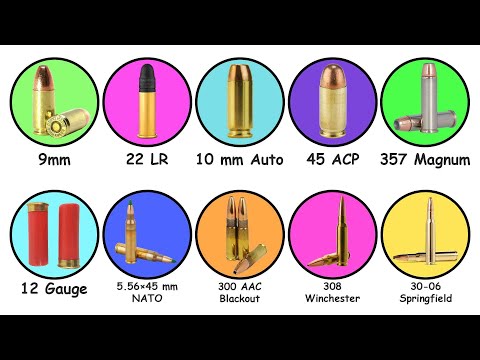
For practice and plinking, **the best savings on cheap ammo** come from calibers with massive production volumes and low per-round costs. The 9mm Luger leads for centerfire pistols, often costing half of what .45 ACP or .40 S&W runs, while offering soft recoil for extended range sessions. For rifles, .22 Long Rifle is the undisputed king—you can shoot several boxes for the price of one box of .223, making it ideal for trigger-time drills and casual target work. To stretch your budget further:
- Choose .22 LR for rimfire fun and fundamental marksmanship at pennies per shot.
- Select 9mm for defensive-relevant practice without the premium of larger handgun rounds.
- Consider 5.56 NATO or .300 Blackout only if you reload, since factory bulk packs 6.5x57R Ammo for Sale rarely beat 9mm prices per round.

Evaluating New Production vs. Remanufactured Savings
When evaluating new production vs. remanufactured savings, your first move is to compare *actual* round counts, not just shelf prices. New factory loads guarantee virgin brass and consistent powder charges, but remanufactured ammunition—often pulled from once-fired military or law-enforcement cases—can deliver 30–50% cost savings if you’re willing to accept minor cosmetic blemishes. The real trick is testing a small box of each through your specific firearm before bulk-buying, since remanufactured rounds may have slightly different bullet seating depths that affect chamber pressure. *A savings of ten cents per round means nothing if your slide fails to lock back on the last shot under stress.* Prioritize defensive loads as new, but range practice genuinely thrives on remanufactured stock.
Should you 6.8 SPC Ammo for Sale trust remanufactured ammo for self-defense? No—remanufactured savings are best reserved for training, while your carry magazine demands new, factory-fresh ammunition with proven reliability.
Practical Ways to Lower Your Shooting Costs Every Trip
To lower costs every trip, prioritize buying cheap ammo in bulk during sales, but verify the lot’s consistency before committing to a case. Split bulk orders with a friend to access wholesale prices without a massive upfront outlay. Then, reserve your cheapest rounds for zeroing and plinking, while using a small stash of premium ammo only for sight-in confirmation. Track your round count per session and cap non-essential drills, reusing spent brass if you reload—this turns range waste into future cheap ammo. Also, check for factory seconds or overruns at local stores, and test one box first for function.
The biggest per-trip .35 Remington Ammo for Sale savings come from buying cheap ammo in volume and deliberately rationing expensive loads to critical shots only.
Finally, clean and store your bulk ammo properly to avoid duds, which waste money and range time.
Using Packaged Deals and Surplus Packs to Cut Down on Spending
Buying ammunition in bulk through packaged deals or surplus packs directly reduces the per-round cost, as manufacturers and retailers price larger quantities at a steeper discount. Surplus military packs, often selling in sealed spam cans of 500 to 1,000 rounds, offer the lowest price per cartridge because they bypass commercial packaging and retail markup. To maximize savings, calculate the cost per round across different deal sizes before checkout—a 200-round value pack might seem cheap, but a 500-round surplus crate frequently drops the price by 15–20 cents per shot. Sticking to one caliber and purchasing these larger volumes only when your budget allows prevents waste while locking in significant savings on bulk ammunition purchases. Split a giant pack with a shooting buddy if storage or upfront cash is tight, but always verify the deal’s shelf life, as surplus ammo can be corrosive or old. Prioritize volume over brand loyalty when the goal is purely cutting trip costs.
Packaged deals and surplus packs cut spending by drastically lowering the cost per round, provided you buy in volume, verify the ammo’s condition, and use it consistently.

Getting More Trigger Time by Mixing High-Volume Rounds With Precision Shots
Split your range session into two distinct phases to stretch your budget without sacrificing skill. Burn through a box of budget-friendly rounds for rapid-fire drills, building muscle memory and clearing malfunctions at a fraction of the cost. Then, switch to your premium defensive loads for just a few precision shots, focusing entirely on sight alignment and a slow, deliberate trigger press. This balance lets you get the high-volume repetition needed for automatic reloads and target transitions, while still re-confirming your zero and fine-tuning accuracy with the ammo you actually carry. You leave with both your shooting endurance and your precision honed, without wasting expensive rounds on simple repetition.
Mixing cheap, high-volume rounds for reps with a 6.5x57mm Mauser Ammo for Sale handful of precision shots keeps your skills sharp and your wallet fuller.
Proper Storage Methods to Extend the Shelf Life of Discounted Boxes
When you buy discounted ammo in bulk, the savings vanish if improper storage degrades the rounds. Keep boxes in a sealed, airtight container with desiccant packs to block humidity, which corrodes primers and casings. Store that container in a cool, dark place—a basement closet beats a garage that fluctuates in temperature. Stack boxes vertically to avoid crushing the cardboard, which can loosen bullet tension. Rotating your oldest boxes to the top of the stack ensures they get used first, preventing age-related powder breakdown. Avoid concrete floors, as they wick moisture upward. Label each box with the purchase date, and you’ll reliably shoot discounted stock for years, not months.
Proper storage of discounted boxes means airtight, desiccated, cool, dark, off-floor, and rotated—so cheap ammo stays shootable far longer.
Where to Look for and How to Verify Value-Priced Ammunition
To find value-priced ammunition, skip big-box stores and check online aggregators like AmmoSeek or WikiArms, which sort by price per round. Also scan forum classifieds and local gun show clearance tables for overstocked budget brands. .338 Lapua Ammo for Sale When you spot a deal, verify value-priced ammunition by checking the headstamp for a reputable manufacturer (e.g., Federal, CCI, or Blazer). Pull one bullet to confirm it’s not remanufactured or corroded, and weigh a few cases for consistency. Always test a small box first—function, accuracy, and pressure signs beat a low tag. Compare the per-round cost against the average for that load, and ensure the lot number isn’t recalled. If the price seems too good, inspect for tarnished primers or dents; that’s how you separate a steal from a squib waiting to happen.
Key Features of a Reliable Online Retailer When Hunting for Deals
When hunting for cheap ammo, a reliable online retailer displays transparent shipping costs upfront, preventing a “deal” from vanishing behind inflated fees. Look for a live inventory counter that updates in real time, reducing the risk of ordering out-of-stock ammunition. Verified customer reviews and a clear return policy for defective rounds are essential, as are explicit lot numbers and manufacturing dates. A responsive support team that answers pre-sale questions about bulk pricing or case discounts signals trustworthiness. Retailers who publish their price-per-round history for the same SKU let you judge whether a discount is genuine or just seasonal noise. Finally, a secure checkout process with familiar payment gateways protects your financial data.
| Feature | Why It Matters for Deals |
|---|---|
| Upfront shipping calculator | Reveals true total cost per box before checkout |
| Real-time stock status | Avoids wasted time on phantom discounts |
| Lot/batch transparency | Confirms consistent quality for bulk buys |
| Price history tool | Verifies that a “sale” is actually below average |
Using Price Comparison Tools and Alerts to Catch Flash Sales
To catch flash sales on cheap ammo, set up price alerts on sites like AmmoSeek or wikiArms, which aggregate deals across dozens of retailers in real time. These tools let you track specific calibers, so you get a notification the moment a price drops below your target—crucial for lightning-fast clearance events that vanish in hours. Bookmark the in-stock filter and check daily, since flash deals often pop up without warning. For the best results, combine multiple alerts, like a text notification from Gun.deals, with browser extensions that auto-refresh. This keeps you ready to snipe low-cost bulk ammunition deals before they sell out.
Red Flags That Indicate a Bargain Isn’t Worth Your Money
A bargain only qualifies as one if it functions flawlessly. Red flags that indicate a bargain isn’t worth your money often begin with visible primer or case inconsistencies—dark, corroded pockets or mixed headstamps signal poor sorting. Check for setback bullets where rounds rattle in the box; that’s a neck-tension failure. Chronograph a small sample; velocity swings beyond 50 fps reveal sloppy powder charges. Finally, inspect for flattened primers after firing—a pressure sign that risks your firearm.
- Reject any lot with dents or bent rims, as these cause feed jams.
- Discard rounds that show excessive bullet lube on the case mouth.
- Confirm the bullet does not move when pressed against a hard surface.
If you see these, the low price is a liability, not a saving.
Solving Common Frustrations With Low-Cost Cartridges
Cheap ammo often frustrates shooters with hard primer ignition, so solving common frustrations with low-cost cartridges starts by upgrading your firing pin spring and using a heavier hammer strike—this reliably fixes most light-strike failures. Dimensional inconsistencies in budget brass cause stuck cases; polish your chamber and run a full-length sizing die on every round to ensure smooth extraction. Accuracy complaints usually trace to inconsistent bullet seating depth, so invest in a comparator gauge and seat to a consistent base-to-ogive length rather than case mouth. Finally, filthy powder residue from discount loads accelerates fouling—clean your bolt face and gas tube every 200 rounds, and switch to a wet lubricant that withstands carbon buildup. These targeted adjustments make low-cost cartridges run as dependably as premium https://specialtysportsandsupplyltd.com/ factory loads.
Dealing With Misfires or Duds in Budget-Friendly Boxes
When a budget-friendly box delivers a dud, resist the urge to immediately eject it from the chamber. Dealing with misfires in cheap ammo starts with the tap-rack-ready drill: keep the muzzle pointed downrange, firmly strike the base of the magazine, and rack the slide to clear the round. If you prefer to coax a second strike, re-cock the firearm and fire again—many low-cost primers ignite on a harder or second hit. For a true misfire, wait thirty seconds before extracting, as hang-fires are more common in economy batches. Segregate every dud in a dedicated container, then inspect the primer strike depth; shallow dimples signal a hard primer, so switch your firing pin spring or stick to softer-primed brands for future range trips.
Cleaning Your Gun More Efficiently After Using Cheaper Powder Types
Cheaper powders often leave a gritty, carbon-based fouling that bonds to the bore and bolt face if left to cool. To clean more efficiently, spray a solvent-based bore cleaner immediately after your range session, while the barrel is still warm, which breaks the residue loose before it hardens. Follow with a bronze brush in short, aggressive strokes—five passes are usually enough—then patch out with a tight-fitting cloth. For chamber and lugs, use a nylon brush dipped in the same solvent, as cheaper powders tend to deposit a sticky film there. Finish with a light oil patch to prevent rust from the acidic residue. This routine cuts total cleaning time by roughly half.
Adjusting Your Expectations for Accuracy at Different Distances
With budget rounds, accuracy isn’t linear—it’s a contract that changes as the target moves. At 25 yards, most cheap ammo groups tightly enough for plinking, but pushing to 100 yards exposes velocity inconsistencies and bullet drop. Instead of chasing sub-MOA groups, measure your practical hit zone: adjusting your expectations for accuracy at different distances means accepting a fist-sized spread at close range and a dinner-plate pattern further out. Before blaming the cartridge, lock your zero with the same lot number and test three distances in order:
- Shoot 25 yards to confirm point-of-impact shifts.
- Move to 50 yards, tracking vertical stringing first.
- At 75–100 yards, focus on consistent group centers, not tight clusters.
If your groups double beyond 50 yards, that’s the ammo’s true ballistic signature—learn it, then hold over or compensate in your scope.
